What Parents Should Know About a Child’s Snoring
David Shen, DMD • OrthoWorks Orthodontics Group
As a parent, it’s important to understand that snoring is not something to ignore or assume a child will simply “grow out of.” While obstructive sleep apnea (OSA) is most often associated with middle-aged men, it is also found in children — and in numbers significant enough to merit real attention. As an orthodontist, I regularly evaluate children’s airway and facial development, and I have seen firsthand how early diagnosis can profoundly improve a child’s long-term health.
The most common causes of sleep apnea in children include enlarged tonsils and adenoids, narrow nasal passages, and underdeveloped upper jaws (maxillae). Because many symptoms overlap with other childhood conditions, OSA is frequently overlooked or misdiagnosed. Behavioral signs such as poor attention span, irritability, forgetfulness, or restless sleep may be mistaken for ADHD or dismissed as normal childhood behavior. When left untreated, however, sleep apnea can set the stage for long-term health problems, including high blood pressure, diabetes, and gastroesophageal reflux disease (GERD).
Although adults and children share several hallmark symptoms of sleep apnea, there are important differences. Adults often gain weight due to hormonal fluctuations caused by fragmented sleep, while children with sleep apnea frequently struggle to gain weight and may show signs of delayed physical development. Other common pediatric symptoms include daytime sleepiness, mouth breathing, difficulty concentrating, bedwetting, and frequent nighttime awakenings. Mouth breathing, in particular, can contribute to dry mouth, dental malalignment, gum inflammation, and abnormal facial and jaw growth.
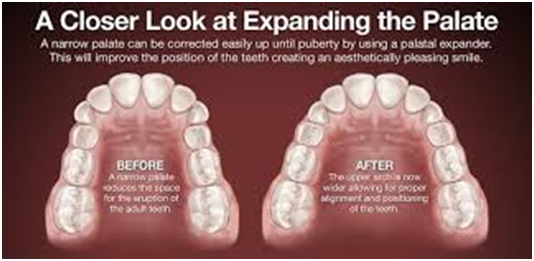
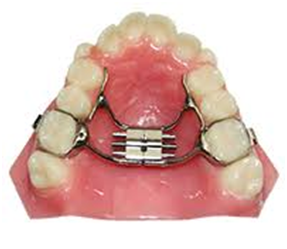
One of the most effective orthodontic treatments for airway-related issues is the palatal expander (see photo below). This appliance gently widens the upper jaw by opening the mid-palatal suture. A small screw in the center of the appliance is turned daily for two to three weeks, allowing gradual widening of the jaw. This treatment is most effective between ages 6 and 13, when the suture has not yet fused.
Expanding the upper jaw does more than create space for teeth — it also enlarges the nasal airway. When nasal breathing becomes easier, children can rely less on mouth breathing, allowing the nasal passages to filter bacteria, viruses, and debris more effectively before they reach the lungs. Improved airflow increases oxygen delivery, supports healthier sleep patterns, reduces the frequency of respiratory illnesses, and promotes clearer thinking and more focused learning during the day.
In summary, if your child snores regularly, do not wait. Snoring is often a sign of a treatable airway issue. Consult your orthodontist or an ENT specialist for a comprehensive airway evaluation. Early diagnosis and intervention can make a meaningful difference in your child’s overall health, development, and quality of life.